


New scientific discoveries have been achieved. History has been made. From April 1 to April 10, humans have connected with the moon once again. The crew of the Artemis II mission, consisting of astronauts Reid Wiseman, Victor Glover, Christina Koch and Jeremy Hansen have completed the first deep space, lunar flyby mission aboard the Orion spacecraft since the Apollo program in the 1970s. From the jaw-dropping launch and moments in space to the new astronomical discoveries, this stands as a record-breaking mission for both science and humanity.
Introducing the crew
Ultimately, this mission would not have been possible without immense human bravery and heroism. Each member of the crew brought skill, determination, experience and teamwork to the mission.
NASA astronaut Reid Wiseman was the commander of the Artemis II mission. Before the mission, Wiseman completed combat deployments, led combat missions and served as a flight engineer aboard the International Space Station in 2014 after becoming an astronaut in 2009. As commander, he led the crew on the lunar flyby, ensured the health of the spacecraft, oversaw mission execution and guided decision-making throughout the journey. He even managed a fire alarm incident while drifting through deep space.
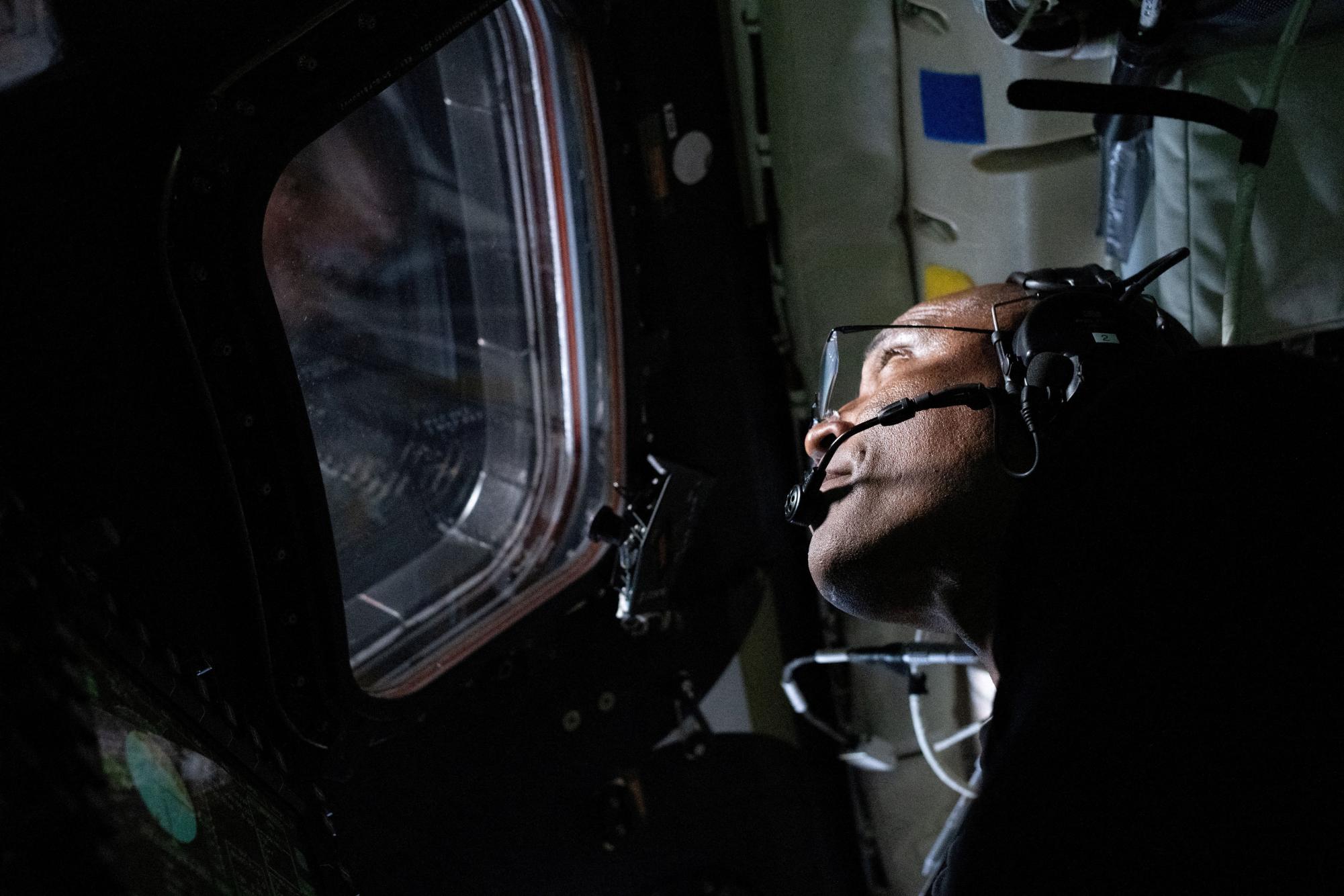
NASA astronaut Victor Glover was the mission’s pilot. In the past, Glover has served as a US Navy Captain and a test pilot, later working onboard the International Space Station in 2020. On Artemis II, he occasionally manually guided the Orion spacecraft along its path and evaluated navigation during the lunar flyby and splashdown. Glover’s participation in the mission made history as he was named the first Black astronaut to travel out of low Earth orbit, into deep space and the vicinity of the moon.
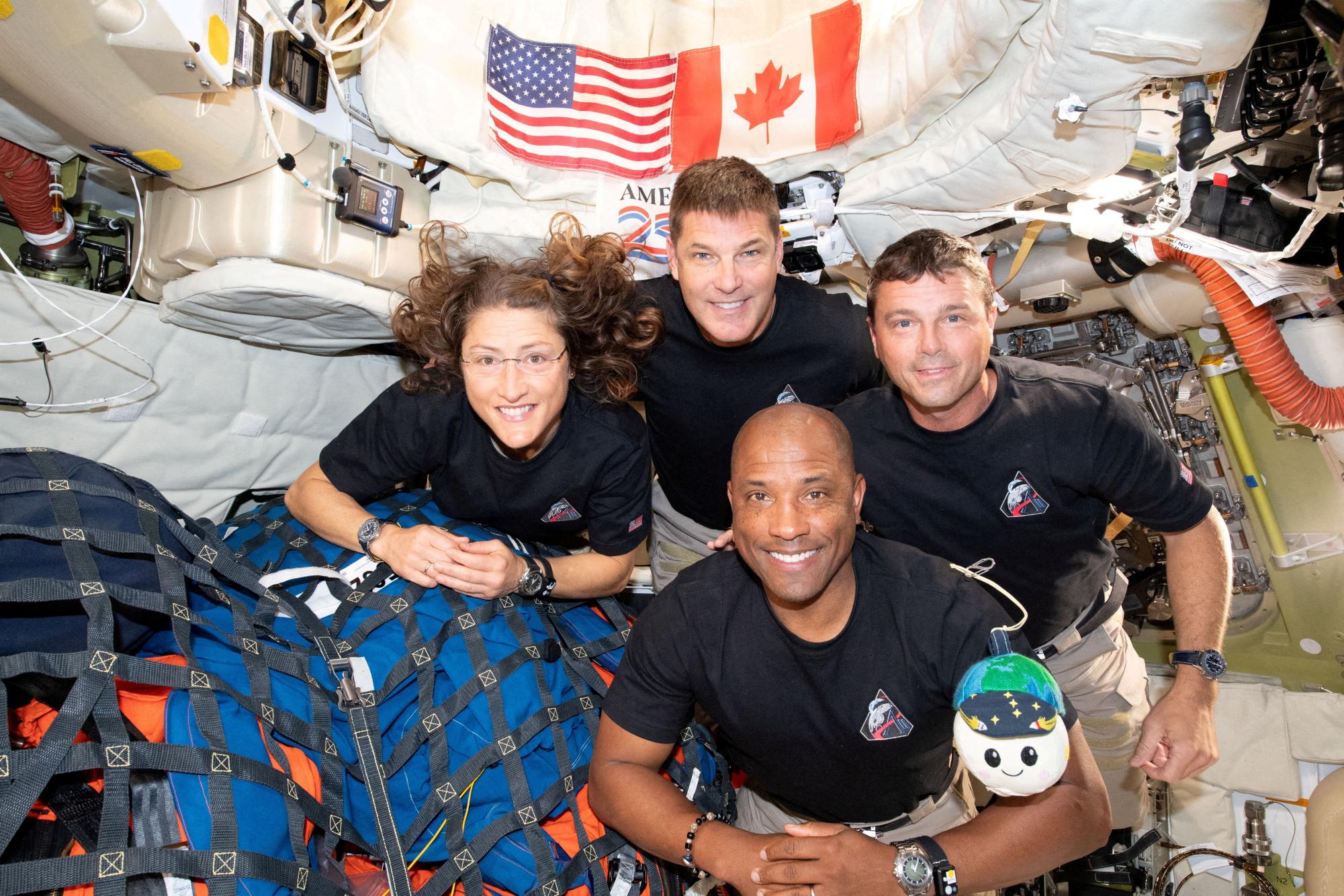
NASA astronaut Christina Koch served as a mission specialist. Koch’s career began as an electrical engineer at the NASA Goddard Space Flight Center, where she contributed vital instruments to space exploration. Meanwhile, she also became a researcher at the United States Antarctic Program before becoming an astronaut. In 2019, she accomplished the longest single spaceflight by a woman of 328 days on the International Space Station and participated in the first all-female spacewalk. As a mission specialist, Koch evaluated the spacecraft’s performance, supported operations and contributed to the goals of the mission in any way called for. As the only female on the mission, Koch has made history for girls in STEM as the first woman to travel beyond low Earth orbit and around the moon.
Canadian Space Agency astronaut Jeremy Hansen also served as a mission specialist. Hansen previously worked as a fighter pilot in the Royal Canadian Air Force and participated as a crewmember of NASA Extreme Environment Mission Operations 19 (NEEMO 19), where he lived and worked on the ocean floor off of Florida, in conditions designed to resemble space exploration. Hansen evaluated the spacecraft’s performance and supported operations along with Koch, and has made history for Canada by becoming the first Canadian and non-U.S. citizen to travel out of low Earth orbit and into the vicinity of the moon.
Although not a human member, Rise, the mascot and zero gravity indicator, is also an honorary member of the Artemis II mission. The plush toy was designed by third grader Lucas Ye from California after the photo Earthrise from the Apollo 8 mission. Rise was selected out of thousands of submissions and contained an SD card filled with millions of names that orbited the moon alongside the crew. During launch, Rise informed the human crew about weightlessness by floating throughout the cabin. Aboard the mission, Rise gained widespread recognition drifting through the spacecraft alongside the crew during interviews.
The mission & moments in space
The mission began with a powerful launch from NASA’s Kennedy Space Center in Florida on April 1. With nearly nine million pounds of thrust, thunderous burning flames and white clouds lit up the clear evening sky. Shortly after launch, the spacecraft’s solid rocket boosters and core stage fell back to earth, leaving the Orion crew spacecraft and service module on a smooth entrance into deep space, towards the moon.
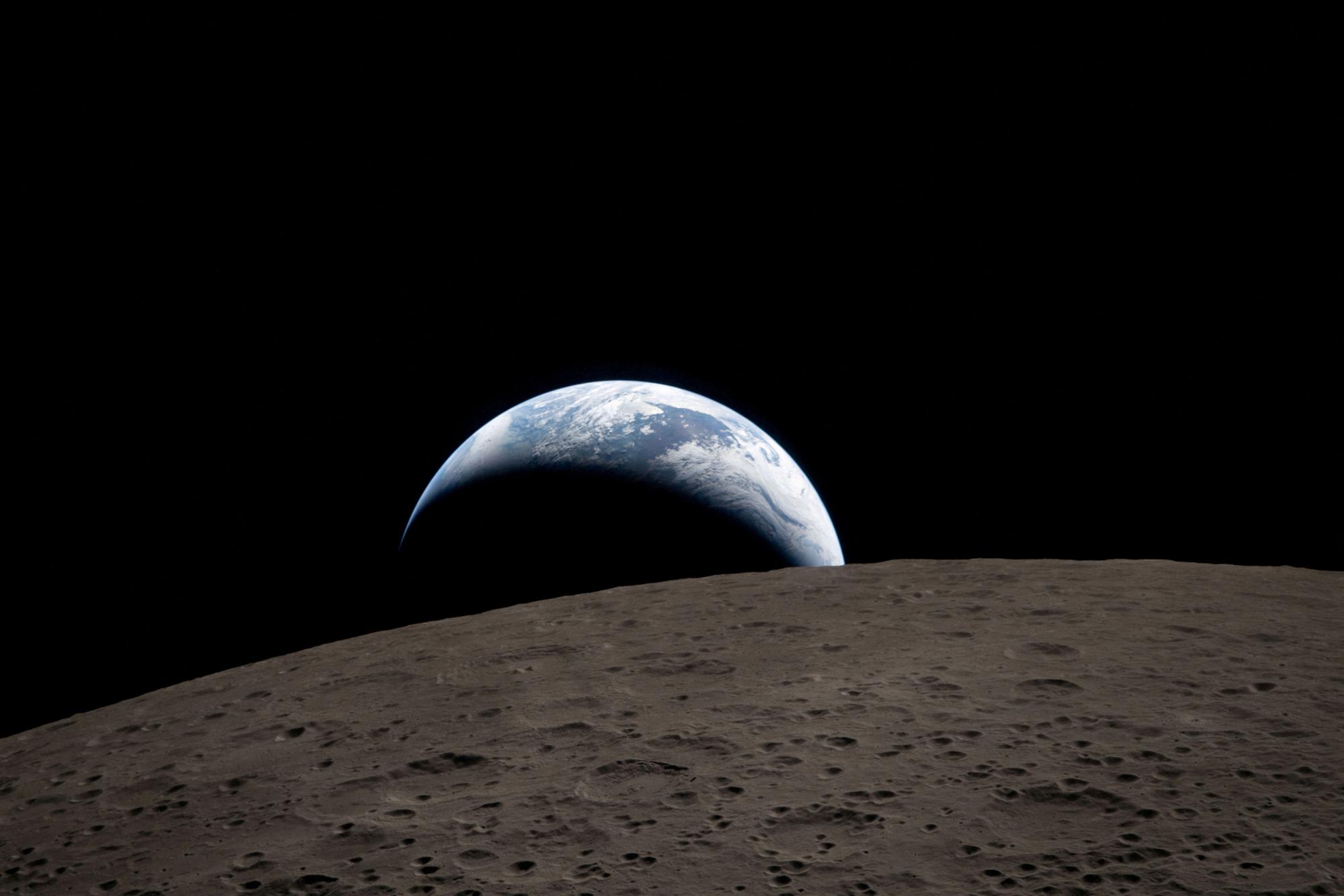
As days passed, the spacecraft, drifting farther and farther from home, continued along its path toward the moon. As the crew flew around the moon, they studied the lunar surface and captured photos. Notable photos include A Breathtaking Earthset From Orion, Solar Eclipse of the Heart and Crescent Earth Over Lunar Horizon, each which offer mesmerizing and detailed views of the moon, the solar eclipse and Earth from a distance. In addition, the crew also observed Earth’s view from afar, actively monitored Orion’s systems, studied the biological effects of space travel and examined the far side of the moon, marking the first time human eyes have ever observed the entire backside of the moon. For example, the crew took note of many features like craters and geological features present on the moon.
Beyond science and discoveries, human moments made the journey truly touching and complete. In a post-mission news conference, mission specialist Jeremy Hansen said: “You haven’t heard us talk a lot about the science, the things we learned and that’s because they’re there and they’re incredible, but it’s the human experience that is extraordinary.” During the mission, the crew lived together, bonded, collaborated and shared laughter and countless memorable moments thousands of miles away from home, demonstrating closeness just like the “joy train” they envisioned several years before the mission. Emotional moments also filled the crew as they named a crater on the moon after Commander Wiseman’s late wife, who passed away in 2020 due to cancer. Long story short, as Commander Reid Wiseman said during a post-mission news conference: “I am here to tell the world: we launched as friends, and we came back as best friends.”
In the last couple of days of the mission, the crew continued to collect valuable data and make discoveries while preparing each other and the Orion spacecraft for splashdown. The intense journey home reached speeds up to 25,000 miles per hour and temperatures around 5,000 degrees Fahrenheit. On April 10, 2026 at 8:07 PM Eastern Time, the Orion spacecraft and crew successfully splashed down in the Pacific Ocean off the coast of San Diego. “It was a complete emotional release of joy when they opened that door,” said mission specialist Christina Koch in a post-mission news conference.
Aftermath & legacy
Artemis ll has already secured its place in history and has become a significant milestone for humanity. As the first crewed space mission since the Apollo program, it represents a huge turning point for the next decades of science and the future of our world.
For science, this mission is a significant breakthrough. After more than 50 years, the once impossible and difficult has been achieved again. From the photos and data to the observations collected by the crew, the mission advanced our understanding of space and strengthened the foundation for future discoveries. In addition, astronauts conducted critical tests on life support systems and the effects of micro-gravity on the human body which will largely shape future space travel, helping prepare humans for later missions in the Artemis program and future missions to Mars and beyond. All of these scientific discoveries will eventually help humans establish a sustained presence on the lunar surface. The mission has enabled the next era of science and space exploration.
Beyond science, the mission has become a turning point for humanity. Seeing Earth from a distance no human has seen before, borders became invisible, differences faded and all that was left was a single blue sphere, which contained all of life’s past and present. The mission brought a realization: humanity is all shared and connected. As mission specialist Christina Koch said in a post-mission news conference: “Planet Earth, you are a crew.”
Despite its significance, Artemis II still does not receive the type of attention and recognition such a historic and pivotal achievement deserves. In a world with the ability for misinformation to spread fast and the tendency to scroll past news and headlines, such a profound moment can easily be overlooked. It is unfortunate that many still do not realize the mission’s potential to change the world.
The impact of Artemis II will continue to linger long into the future. Artemis III is expected to launch in mid-April 2027, and Artemis IV and V are on target for 2028. With a solid foundation laid with Artemis II, humanity is soon going to delve deeper into the unknown. Space exploration is ready to take the world to far places, to the moon and beyond. A new era has just begun.