

Walking through ARHS today, students rely much more on technology in and out of the classroom than they did decades ago, fundamentally changing how they learn and stay engaged in school.
While school culture and teen trends may not look drastically different from the 1990s, the role of technology in education has shifted dramatically. Smartphones, online assignments and digital classrooms now play a significant role in daily learning, according to teachers who have witnessed the shift firsthand.
“I think the biggest overall difference is the difference in technology,” said math teacher Sean McGrath, who began teaching at ARHS in 1998. “When I first started teaching, there were no smartphones.”
At that point in time, cell phones were limited to basic calling and texting, and even early devices like BlackBerrys were not major classroom distractions. English teacher Sara Stein, who began teaching at ARHS in 2009, said students in the past were more focused because they were less dependent on technology.
“When I first started teaching, they did not have phones, kids still handwrote a lot in 2009,” Stein said. “People used phones mainly to communicate with parents. It wasn’t like they were gaming on them. They were just less distracted.”
The shift extends beyond student devices. One of the biggest changes for teachers has been communication, which used to look very different before email became standard. All student teacher communication was in person, and parent communication relied entirely on phone calls.
“Teachers didn’t even have email accounts when I first started here,” McGrath said.
As communication methods evolved, so did teaching. Technology has slowly increased in lessons, and continues to grow even more today, shifting how teachers explain material and how students engage with it.
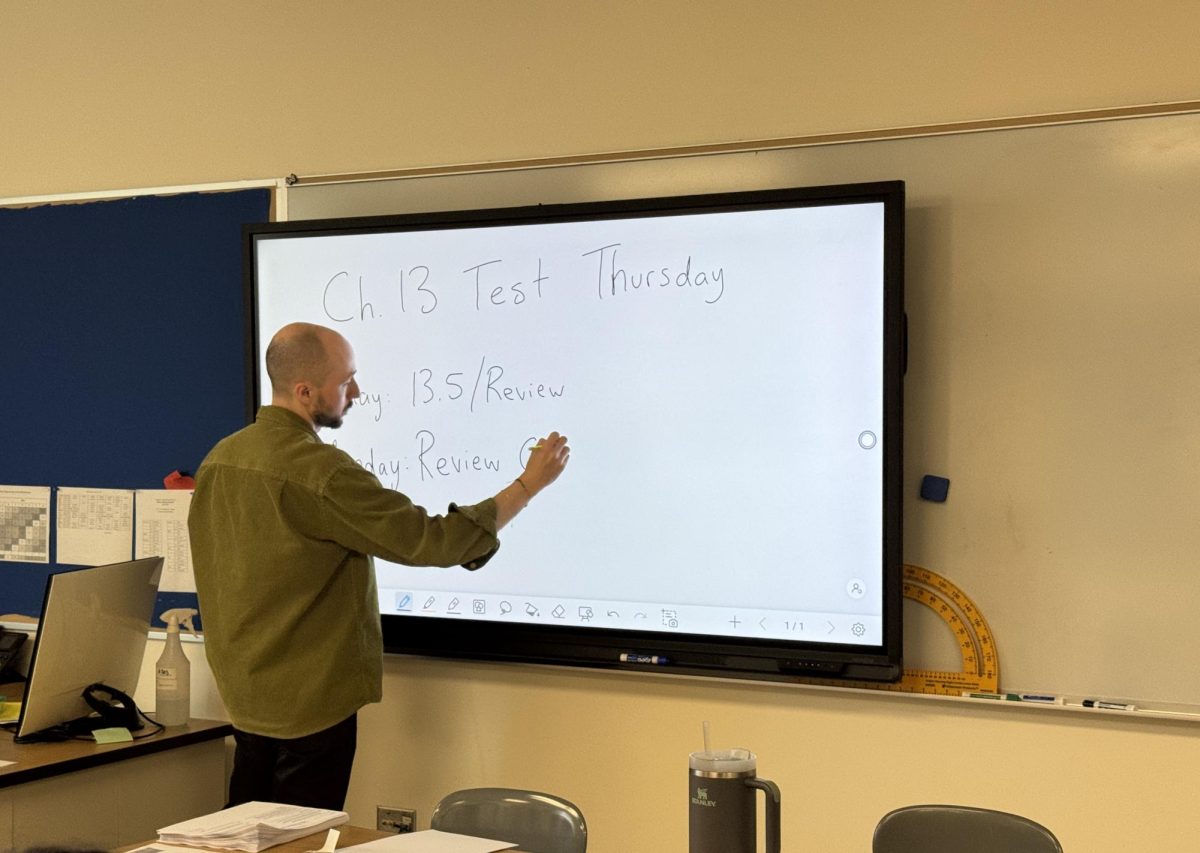
McGrath has integrated new technologies into his teaching, such as using Desmos (an online graphing calculator) to demonstrate mathematical concepts through graphs rather than words or crudely drawn diagrams. Still, McGrath is unsure if technology-based learning is truly better.
“We’re pushing students toward learning off of screens instead of learning from books,” McGrath said. “There have been studies done that people actually learn better from hard copy books than they do trying to learn from a screen.”

McGrath questions how developing technology will continue to impact learning and if it will do so in a positive way.
“I think it’s too early to say how much of an influence AI [Artificial Intelligence] has had on education,” McGrath said. “I’m not personally convinced that the technology we have is beneficial. There are some things that technology provides that definitely get in the way of learning.”
Stein has similarly adapted her methods to include more visual tools and platforms like Canvas (web-based management system) for organizing assignments. Despite these changes, much of how she teaches has stayed the same.
“I definitely use more visuals than I did when I started,” Stein said. “All of our assignments are pretty much on Canvas now. I still do a lot of group work. I still do limited lectures.”
Despite new additions to their teaching styles, both Stein and McGrath agree that the negatives overshadow the positives, particularly the distraction technology poses for student focus and engagement.
“I think technology has introduced a distraction that students never had before,” McGrath said. “Cell phones, social media and even the computers definitely provide distractions that weren’t there in the past.”
Outside of school, though, technology creates a completely different environment for students. What used to be hanging outside, naps or downtime at home is now filled with nonstop notifications, apps and doom-scrolling short videos.
“Students feel like they have less time to do work at home,” Stein said. “Partly because social media and digital entertainment are massive time fillers, making it easier to get pulled away from academic responsibilities.”
Stein believes digital distractions have reduced academic stamina, which she sees as the primary driver behind decreased engagement. She said students today are more used to fast-paced content and constant stimulation, aligning with short videos on social media, which has made it harder for them to stay focused for long periods of time.
They do a lot more fake reading, like looking up summaries. Sometimes when I give out vocabulary lists, many students don’t recognize them [compared with 15 years ago].”
“There’s an expectation that everything should be exciting and happen quickly,” Stein said. “When that doesn’t happen, engagement goes down. They can do it, but they need more support.”
Besides distractions, Stein also identified “reading stamina” as a major setback in today’s students’ learning, which is noticeable in students’ reading habits and their overall vocabulary development.
English Department Head Jane Betar shares a similar experience with students having lower reading comprehension and stamina. She said she has had to adjust what texts she assigns because of these changes.
“What I used to read with my 10th graders, I’m now reading with seniors,” Betar said. “Many more kids used to read independently for longer periods of time.”
Despite the noticeable shifts, both Stein and McGrath emphasize important continuities. Regardless of all the technological changes, the classroom atmosphere itself still feels similar.
“If you took a time machine back to when I first started teaching and you came into the classroom, at first glance, I don’t think you would notice any difference,” McGrath said.