

“Wuthering Heights” was a cinematic film that encompassed a story of yearning and love. The book, however, tells a different story based on discrimination and resentment. This key plot gets lost in the passionate movie when half the book’s characters never surface. While I enjoyed both the 1847 book and the 2026 movie adaptation, the movie was diminished by the loose adaptation of Emily Brontë’s intended story.
When it comes to the book, Catherine and Cathy are the center of attention, but they provide a powerful message on social views and the treatment of women. Cathy, Catherine’s daughter, is similar to her mother in many ways, but in the end chooses to fight back against society’s views, which haunted Catherine until her death. However, the movie’s main plot was the romance between Heathcliff and Catherine. While this was the underlying part of the book, it took over on the screen.
Brontë, the author of “Wuthering Heights,” actually published her book under the male pseudonym Ellis Bell because she knew that it would be taken more seriously than if it appeared to be written by a woman. This is why it was upsetting that the movie was more oriented to the love story of Catherine and Heathcliff rather than the feminine power of Catherine and Cathy.
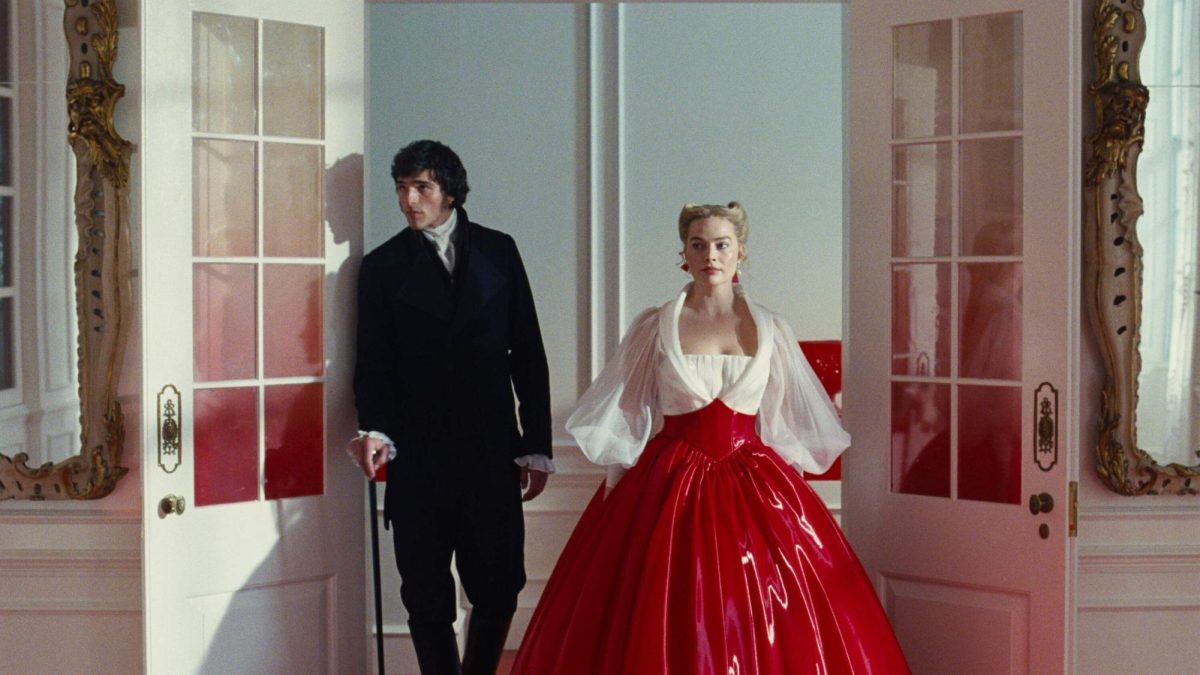
The movie took a different approach to casting Heathcliff that changed the meaning. In the movie, Heathcliff, played by Jacob Elordi, did not have the same skin tone, which lost the effect that the book created. Heathcliff faces discrimination in the book because of the color of his skin and faces a lot of violence for it as a child. This major difference changed the dynamic of the movie and pulled away from the overall theme of white supremacy and social class degradation from the book.
Nelly, played by Vy Nguyen, is the housekeeper who raised Catherine, played by Margot Robbie, and played a different role in the book than in the movie. In the book, she serves as the unreliable narrator who disapproves of Heathcliff. Her actions, however, come from her protective nature of Catherine. In the movie, she serves as the direct reason that Heathcliff runs away and does not end up with Catherine, painting her as a villain in the film.
The importance of women listening to making their own opinions and decisions is lost in the movie when Catherine never gives birth to Cathy, who goes on to break the generational chain. Cathy, an important character in the book, shows that women can listen to their own voice and go against the social norm of the time without social repercussions when she chooses to get married because of her own feelings and not the feelings of society. In the movie we only get the effects of Catherine listening to society as she chooses Linton, the ‘proper’ choice, over Heathcliff because of social class consequences. This idea of women choosing for themselves and having their own opinion was revolutionary at the time the book was written because of the social norms put on women to not have an opinion.
In the book, Brontë uses weather and setting as symbolic visuals. Thankfully, the film also utilized the changing of the weather, specifically the rain, which appeared during dramatic and intense scenes in the book and the movie. Adding this detail to the movie was necessary because it allows the viewer to follow the story and the characters’ feelings just by looking at the sky.
Even with all its differences, “Wuthering Heights” was a tasteful and scenic adaptation of the book, making it a good watch. However, if you have already read the book and do not like it when movie adaptations stray, stay away because this movie is not for you.