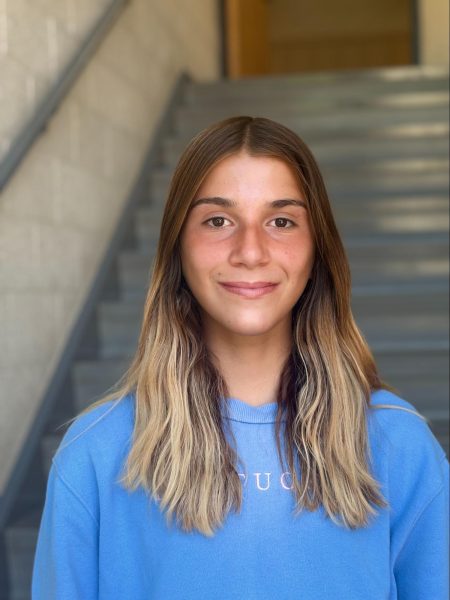



With guidance counselor support and a careful planning process, seven seniors will graduate months ahead of their classmates, an option many Algonquin students are unaware of.
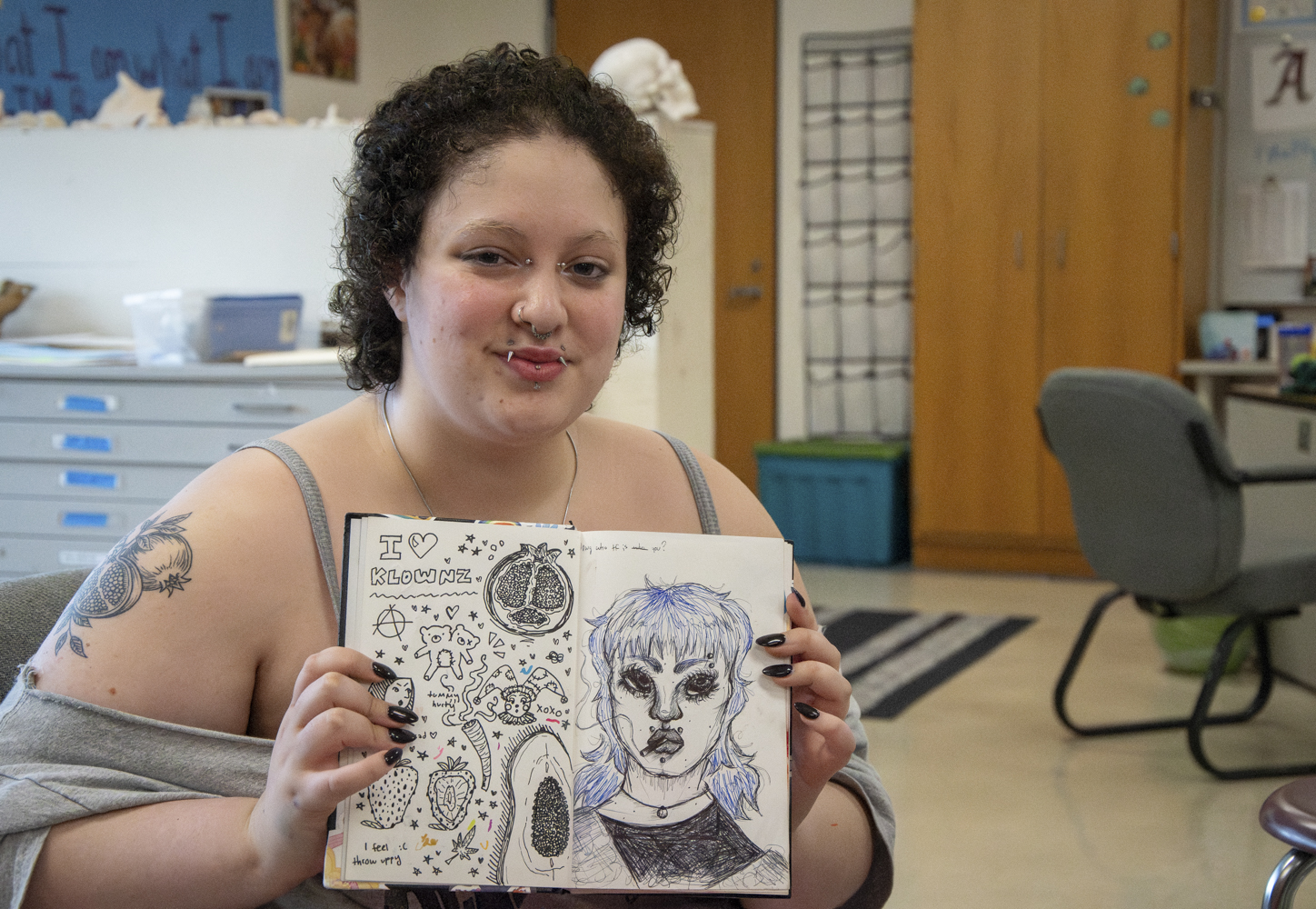
Seniors Abi Southey and Beck Taylor share more than just an early graduation. Each has already identified their desired career and a path beyond high school. After meeting with guidance counselors to explain why early graduation would benefit them, submitting permission forms and completing all required classes for required credits, they earned the green light to graduate early.
For Southey, who plans to study early education, graduating in January allows her to secure a full-time job at the daycare where she is currently employed.
“I want to be a Child Life Specialist,” Southey said. “So [this decision] is kind of just more focused towards my career goals.”
Director of Guidance Lisa Connery explained that prior to a final decision, there are many conversations with the student and their guardians to determine whether early graduation is in their best interest.
“Junior year is probably the time to have conversations about it [with guidance counselors],” Connery said. “They would definitely have to have that request in at the beginning of senior year to be able to even make a determination as to whether or not that’s possible.”
The requirements to graduate early are the same as any student in the same grade, with the difference being that all credits must be acquired ahead of schedule. Principal Sean Bevan also emphasizes that early graduation is only possible with careful planning well in advance.
“In order to do that, you really need to be thinking about that — 12 to 18 months ahead of time,” Bevan said.
Southey mentioned that maintaining a manageable workload to graduate early was important. Due to her planning ahead of time, she only needed to take one extra English class in her final semester, and completed most of her required credits in her Junior year.
“I think everyone graduates with a lot more credits than they need,” Southey said.
However, Taylor discovered the early graduation option later, toward the end of their first semester junior year. This caused them the need to cram in many rigorous classes.
“It’s not a difficult process,” Taylor said. “It was just extra stressful for me because I found out about it later, and then I had to act accordingly.”
Taylor experienced the stress of a packed schedule that left limited room for relaxed electives.
“Taking two history classes [junior year] with a lot of workload because I didn’t have any studies or even any art classes or any just … chill or relaxing classes for that semester,” Taylor said. “I had to take a final for every single class. That was very stressful.”
Despite flexible course options and the possibility of doubling up on classes, aspects that make early graduation possible, many students remain unaware of their options.
“I had a teacher bring [the possibility of graduating early] up to me and told me it was an option, but I didn’t really know about it before then,” Southey said. “I didn’t hear about other kids doing it.”
Both students learned about early graduation through guidance counselors, who walked them through the process. For Southey, the decision came together quickly.
“I went down to guidance, and it was really simple,” Southey said. “We had a five-minute conversation about it, and she agreed that it would be a good idea for me.”
For Taylor, who transferred to Algonquin during their sophomore year, early graduation required extra steps.
“[My guidance counselor was] like, ‘You have this option because you have the credits,’” Taylor said. “You have the option to possibly graduate a semester early.’ It was a bit of a process trying to talk to Principal Bevan and Ms. Brown. I had to set a lot of meetings … make statements as to why I feel like it’s a good thing for me to graduate early.”
The formal process includes paperwork, writing a statement explaining future plans and why graduating early would be beneficial, parental signatures giving permission and undergoing administrative review, which usually takes several weeks for approval.
“For the second semester of junior year, I had to switch out a bunch of my classes so that I could get in the required classes,” Taylor said.
While early graduation comes with freedom and flexibility, Bevan believes most students prefer to have the traditional high school experiences, especially during the last semester of their high school career.
“I think what I have observed is most senior students really are eager to enjoy that second semester of senior year,” Bevan said. “It’s literally the most enjoyable of all your years of academic experience for most kids.”
Despite the stress, both Taylor and Southey agree that early graduation should be more widely discussed and promoted for students who are ready to move on beyond high school.
“I wouldn’t have had to [cram my classes] if I had started this process earlier and taken the required classes … and paced myself more,” Taylor said. “It’s not a difficult process; It was just extra stressful for me because I found out about it later, and then I had to act accordingly.”
Even after graduating early, students are still welcome to participate in school and senior class events.
“I’m allowed to come back for really anything if I wanted to. So I can come back for … Carnival and do anything,” Southey said.
For Taylor, the time off from school before college offers a chance to rest and prepare for the future.
“I definitely just want to take a month or two off to decompress, get all of that school stress out of my body, just chill out, do some crafts [and] hang out with my dog,” Taylor said. “After that, I hopefully can get an apprenticeship at a tattoo place because, overall, my career is I want to be a tattoo artist, and I’d like to start an apprenticeship.”
Over the years, English teacher Lindsay Coppens has taught multiple students who have been able to graduate early, including a student who was a musician who ended up going on tour after his early graduation.
“He was the lead singer for a band and he had begun doing this while he was in high school,” Coppens said. “He wanted to be able to jump on that experience. And did.”
Another of her students was ready to begin his military career as soon as possible.
“I had another student two or three years ago who graduated early,” Coppens said. “He was already 18, so he was able to enlist a few months earlier and get started with that.”
Southey feels confident about her plans, continuing to nanny a 6-month-old twice a week, while working on her long-term goals of college and working as a kindergarten teacher.
Looking back, Taylor offers advice to students considering early graduation.
“Honestly, just start early, get your required credits in, maybe take a few extra core classes in one semester,” Taylor said. “Maybe take two English electives or two science electives earlier in your high school career, so that you can just start getting those credits to pile up. So, if you want to graduate early, you have that option.”
Updated Jan. 29, 2026: This article originally stated that senior Beck Taylor took more than one math class at a time. Beck Taylor has never doubled up in math during their time at Algonquin. This article also originally stated that Abi Southey wanted to be a kindergarten teacher, when she actually wants to become a Child Life Specialist.