


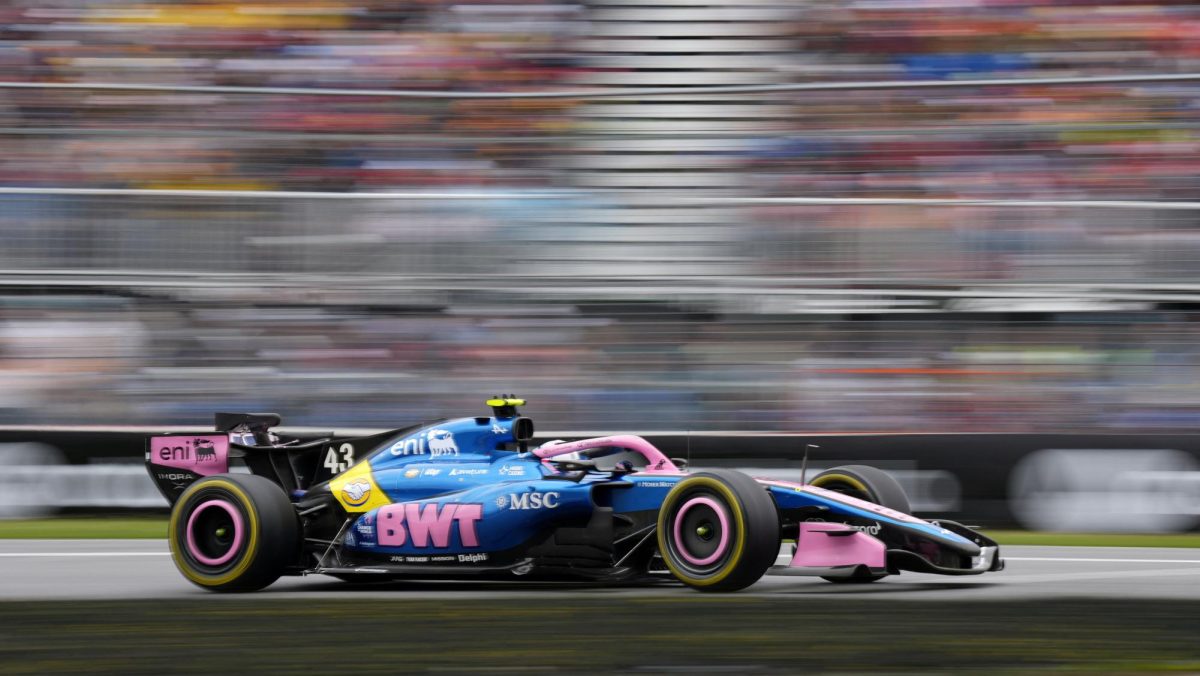
With its unmatched speed and challenging tracks, Formula One is known to many as “the pinnacle of motorsport.” It has always been about determination, precision and skill, but the new regulations introduced for the 2026 season are changing the sport and making it feel more artificial and bland than ever before. By implementing these rules, the FIA (Fédération Internationale de l’Automobile) has created an inauthentic and potentially dangerous system.
The new rules change how power is used in Formula One cars. Instead of the 80/20 combustion engine-to-electric motor split from previous years, the system is now closer to 50/50. The MGU-H (Motor Generator Unit – Heat), responsible for recovering energy from exhaust, has been removed. The DRS (Drag Reduction System) has also been replaced, and in its place, cars now have wings that adjust to reduce drag on every straightaway and increase downforce on corners regardless of proximity to other drivers. Additionally, the new “Overtake Mode” gives trailing drivers extra energy and top speed when they are within a second of the car in front. Although the cars have become slightly smaller and nearly 70 pounds lighter, the changes have introduced large fluctuations in available power between cars that can dramatically affect racing.
One of the most serious impacts of the changes is the reduced safety. The aforementioned 50/50 split made the internal combustion engine capped at 536 horsepower and the electric motor limited to 469 horsepower; the difference between a car with full energy and a car with depleted energy can be astronomical. This can create significant speed differences, particularly when one driver is using “Overtake Mode” and another is conserving their energy. This results in a smaller reaction time window and a higher likelihood of high-speed accidents.
This danger became a reality on lap 22 of the Japanese Grand Prix when Oliver Bearman was forced to avoid a much slower Franco Colapinto, who was deploying reduced energy. The closing speed of around 28mph left Bearman with little time to respond, sending him flying into the barrier at 191mph and subjecting him to around 50 G Forces, leaving him with an injured right knee.
“I think as a group, we warned the FIA what can happen, and this has been a really unfortunate result of a massive delta speed we’ve not seen before in Formula One until these new regulations,” Bearman said in a post-race interview with Sky Sports.
In addition to the safety issues, the racing itself feels less genuine. Drivers are forced to use strategies like “superclipping,” where they decrease engine power while at max throttle to increase their energy. When drivers have to focus on something other than pushing full speed, the sport loses the passion that makes it exciting.
“We’ve come from the best cars ever made in Formula One and nicest to drive to probably the worst,” reigning world champion Lando Norris said in a post-qualifying interview at the Albert Park circuit with ESPN. ”It sucks, but you have to live with it and just maximize what you’ve been given.”
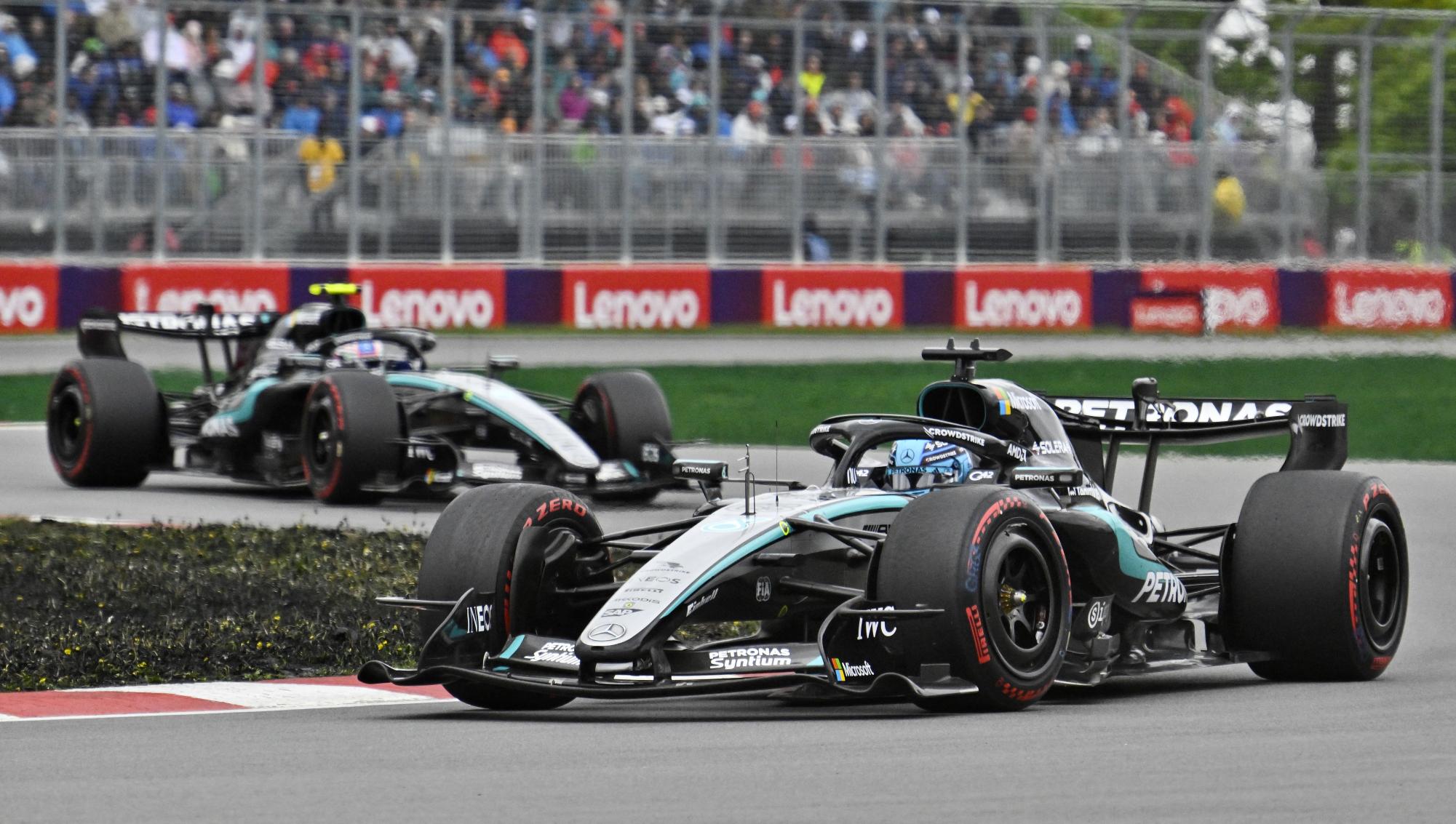
Some argue these changes improve the sport by encouraging overtaking and changing cars to be lighter and smaller. Despite it being true that more overtakes occur, quantity is not the same as quality. If overtakes happen mainly because one driver can harvest more energy than another, rather than because of skill or racecraft, they are much less meaningful. In addition, while the cars have become smaller and lighter, the changes are too little too late. Formula One cars have grown over 400lbs since they started to change in the early 2000s, and removing around 70lbs, while a step in the right direction, is barely noticeable.
In response to the criticism they received from opening races, the FIA made emergency changes to the regulations. These changes discouraged “superclipping,” made race starts safer and addressed a few other small issues. Nonetheless, the rules had very little actual impact on the racing, and the Grand Prix was filled with awkward back-and-forth battles whose winners were determined by battery levels.
If the FIA wants to protect drivers, entertain fans and attract more sponsors, changes need to be made. The FIA should reconsider how energy deployment works, possibly further limiting the power gap caused by “Overtake Mode,” or removing the system entirely. Racing is about skill, bravery and racecraft, not about who can harvest the most energy, and the “pinnacle of motorsport” should reflect that.






alan • Jun 10, 2026 at 9:35 am
this is very informative of the field of motorsports, I am convinced of its revolutionary effect
alan • Jun 10, 2026 at 9:34 am
this is very informative of the field of motorsports