



From texting friends in class to searching for answers online, the struggle for both students and teachers to control cellphone usage in classrooms isn’t something new. This year, students at Algonquin are facing a new schoolwide phone policy that requires them to place their phones in caddies at the beginning of each class. Now, a bill requiring public schools in Massachusetts to restrict phone usage in schools has passed in the Senate and is awaiting a vote in the House, raising the question: Is it really necessary to enforce schoolwide phone restrictions statewide?
The current policy of phone cubbies during class time is enough. It alone accomplishes the goal of enhancing student concentration in class without enforcing excessive limits on phone use.
There’s no denying that phone usage in classrooms has spiraled out of control, with teachers often having to ask students multiple times to put their phones away, leaving teachers and students feeling exasperated and inconvenienced. As students, we should understand that phone distractions only can have a negative impact on our ability to learn by leading to shortened attention spans, increased anxiety as well as cyberbullying. Students shouldn’t need to access their phones during class with Algonquin’s policy still allowing personal devices, like computers and tablets, for online classwork.
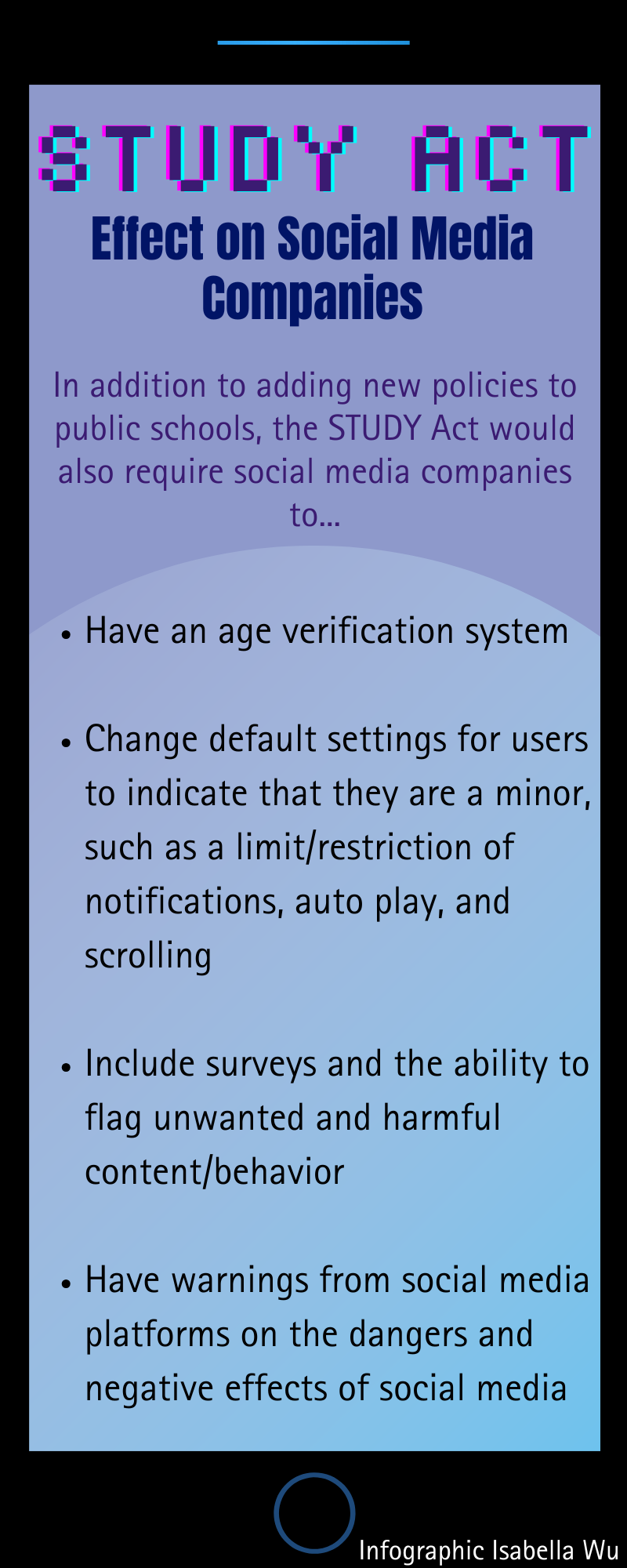
Phones are not only harmful for students, but also create numerous obstacles for teachers. According to a 2023 Pew Research Center survey, 72% of high school teachers identified cell phone usage as a significant problem in their classrooms. As a result, the Safe Technology Use and Distraction-Free Education Youth Act (STUDY Act) was introduced as a means of restricting cellphone usage from bell-to-bell during school hours, which would be integrated into Algonquin’s current policy. If the STUDY Act is enacted by the House, every public Massachusetts school will be required to follow the law.
ARHS students would be prohibited from having any physical access to cellphones during the school day from period to period if this law is passed. There may be exceptions determined by individual school districts for academic purposes, such as using phones for a Kahoot review, and for those students with special accommodations who need access to their phones for medical reasons. This would be vastly different from regulations right now. Not only does Algonquin’s current phone policy accommodate students with medical exemptions, but it also ensures that students can still use phones during lunch and passing times, unlike the regulations in many schools across the country, such as in Texas and New York.
ARHS’s policy is sufficient, allowing students to use their phones during lunch and passing periods. Should the STUDY Act go into effect, schools across the state will have to enforce strict controls over students, potentially eliminating the use of cellphones during the school day.
 There are many reasons students should be able to access their phones outside of class time. Phones can serve as a means for relaxation and can provide students with a break from constantly learning for three hours, allowing their brains to rest up before diving back into the books. Additionally, while students could opt to socialize with friends during lunch instead of scrolling on their phones, how would they know where their friends are without any means of communication with them? Within our current society, many students have become heavily dependent on cellphones to communicate within school walls.
Phones also serve as a crucial pipeline for family communication, especially for conveying updates to after-school activities and pickup times. Passing periods are one of the only times students have access to their devices and are able to communicate via text. With no phone communication, sports teams and clubs would have a more difficult time coordinating. When the weather is too severe and a practice has to be cancelled, coaches will send an email that students often miss. Instead, most communication is done through text, where one athlete sees the email and messages the rest of the team.
Yes, during class time, students should be focused on classroom engagement, allowing teachers to get through their lesson plans without constant interruptions from students. In a late August note to parents and students, Principal Sean Bevan explained that many teachers had already previously implemented a phone caddy policy with success in previous school years, noting that the new schoolwide change was designed to “improve students’ ability to fully engage in learning during school.” (Student Square)
It should be administrators and teachers who decide whether or not students should be allowed to use cellphones in school. They know their communities and students best and should have the sole authority on whether their students could benefit from phone restrictions.
Forcing all public schools in Massachusetts to regulate phone usage during the school day is more than a regulation– it’s an evident overreach into the public school system. As students, we should respect Algonquin’s own policy; however, when the state government pushes to control phone usage statewide, we must ask ourselves if the STUDY Act is truly necessary, or if it’s simply another example of government overreach.